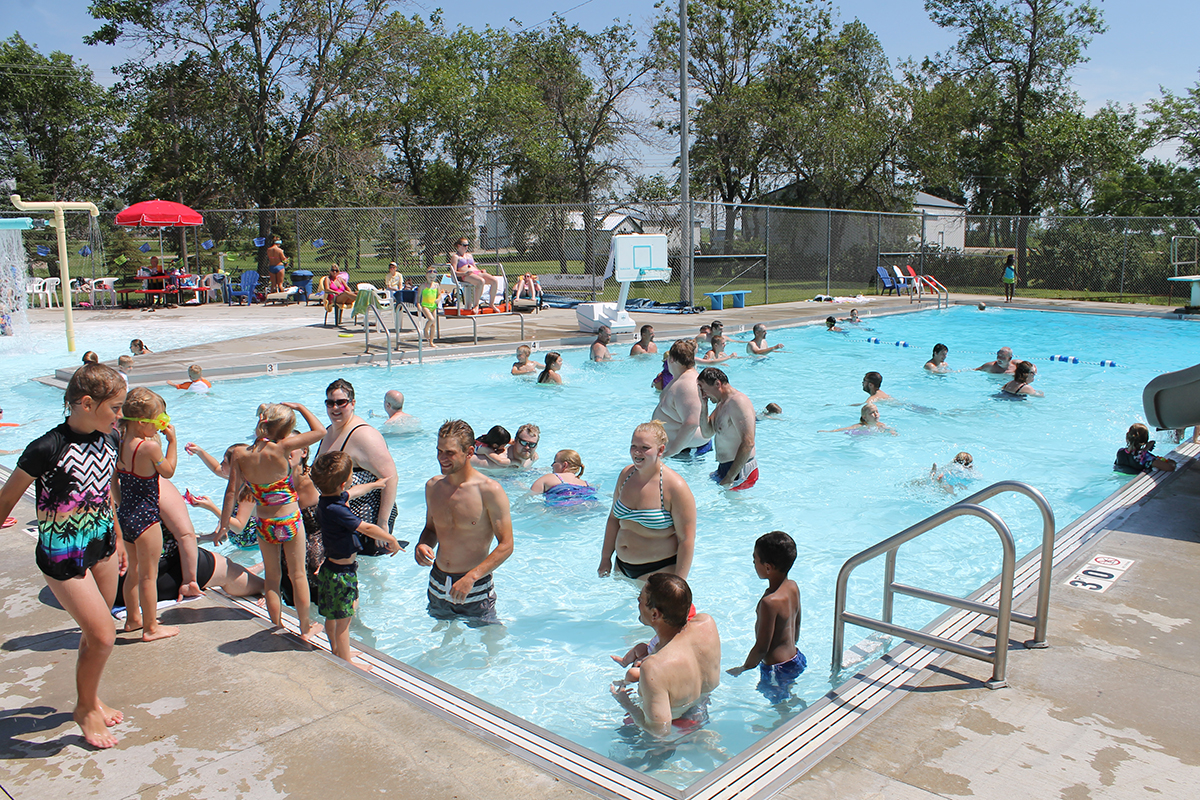
Seasonal jobs left unfilled as students pursue other enrichment opportunities
Businesses in the rural Dakotas struggle to fill seasonal and temporary jobs with young employees, whose summers are filled with camps, clubs and athletics.
Businesses in the rural Dakotas struggle to fill seasonal and temporary jobs with young employees, whose summers are filled with camps, clubs and athletics.

Long bus rides can have a significant effect on the rest of a child’s day. Superintendents in the Dakotas say they do their best to keep the bus routes as short as possible, but open enrollment and school district reorganizations can make this challenging.

Both North and South Dakota perform well above the national average when it comes to high school graduation rates, but nationwide, graduation rates between rural and urban students are almost too close to call, accepting a margin of error: 83 percent and 86 percent, respectively. However, the discrepancy between rural and urban residents who have any amount of post-secondary education is a full 13 percentage points: 46 percent and 59 percent, respectively. So, why doesn’t that high graduation rate translate to post-secondary education the way it does for the urban population?

While health leaders warn of the effect of too much screen time for children, schools increase their use of technology. The key is how it’s used, they say.

(NPN) – Though one of the most agriculture-dependent states in the nation, South Dakota is among a group of states that have the lowest percentage of schools participating in farm-to-school activities, according a new USDA report. Twenty-four percent of South…

As Common Core standards started going into effect in Dakota classrooms this fall, state education leaders probably expected to spend some time explaining what the standards are.
But Ryan Townsend, director of academic standards for the N.D. Department of Public Instruction, said he’s spent a lot of time lately explaining what the standards are not.
“A lot of it is based on misinformation, unfortunately,” he said.
Britton-Hecla Superintendent Kevin Coles thinks that his students are a little bit safer this week. A new security system has been implemented at the school. All doors are now locked during school hours from 8:30 a.m.-3:30 p.m.
Heat and humidity have put a wrench in a number of activities in the Marshall County area during the past week, and the hot, dry weather is also expected to impact crops.
After seeing consistently dwindling student numbers over the past decade, several area schools’ enrollment numbers have seemed to taper off. This is a welcome change since important aspects of education, such as state funding, depend heavily upon student enrollment.
The Board of the Faulkton Area Schools met on July 8. The biggest topic of discussion was the consideration of a general fund opting out as soon as the 2015 fiscal year.