Drought and extreme heat impact corn and soybeans in northeastern South Dakota
This week’s extreme heat has had an overall negative impact on the state’s crops, said Laura Edwards, SDSU Extension Climate Field Specialist.
This week’s extreme heat has had an overall negative impact on the state’s crops, said Laura Edwards, SDSU Extension Climate Field Specialist.
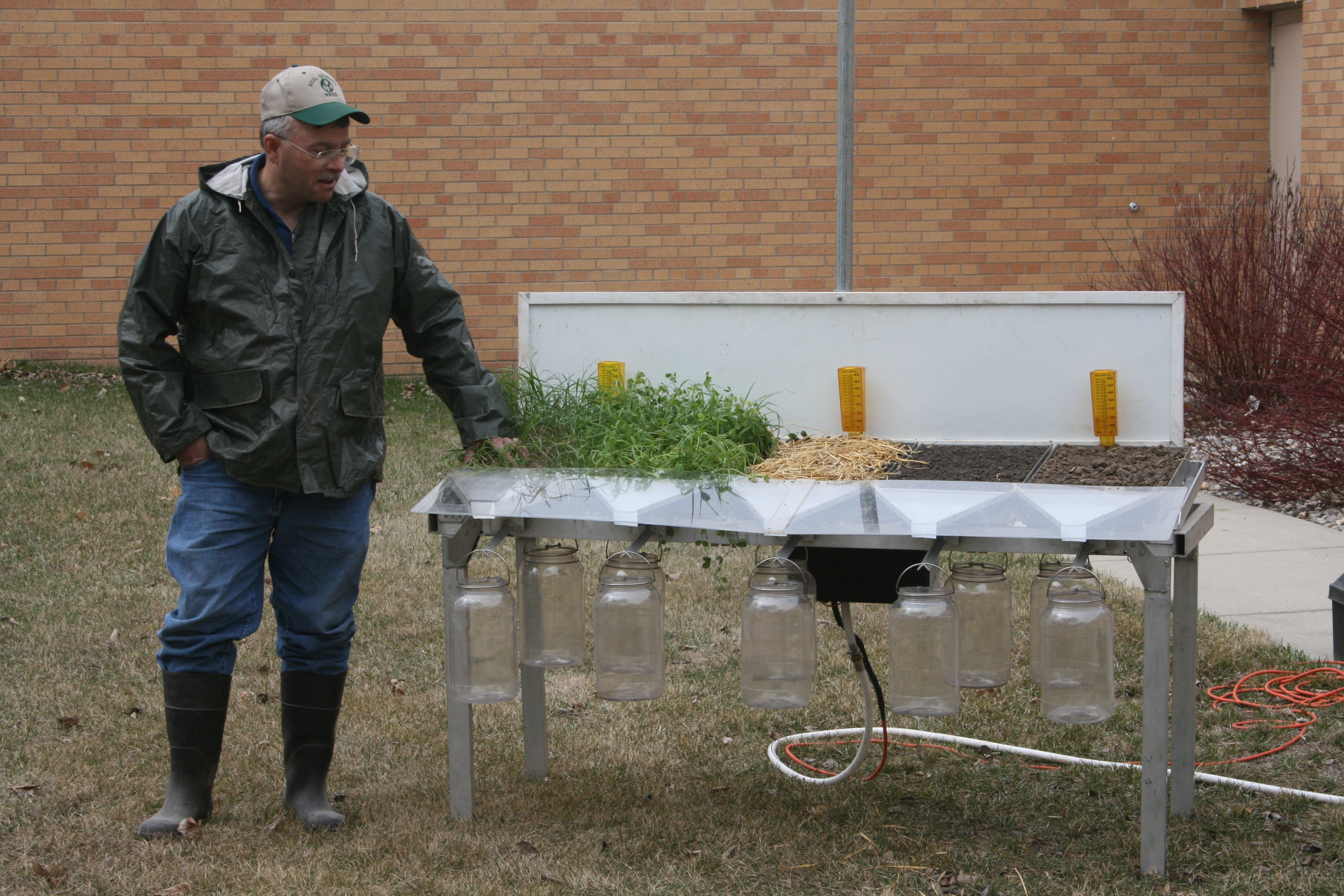
Is the abundance of rain the Dakotas have seen in the past few weeks a blessing or too much of a good thing? The answer to that question probably depends on where live—but how you farm also matters, area scientists say.
Some unusual weather events were reported in northeast South Dakota recently, but area producers welcomed the timely rains that came with them.
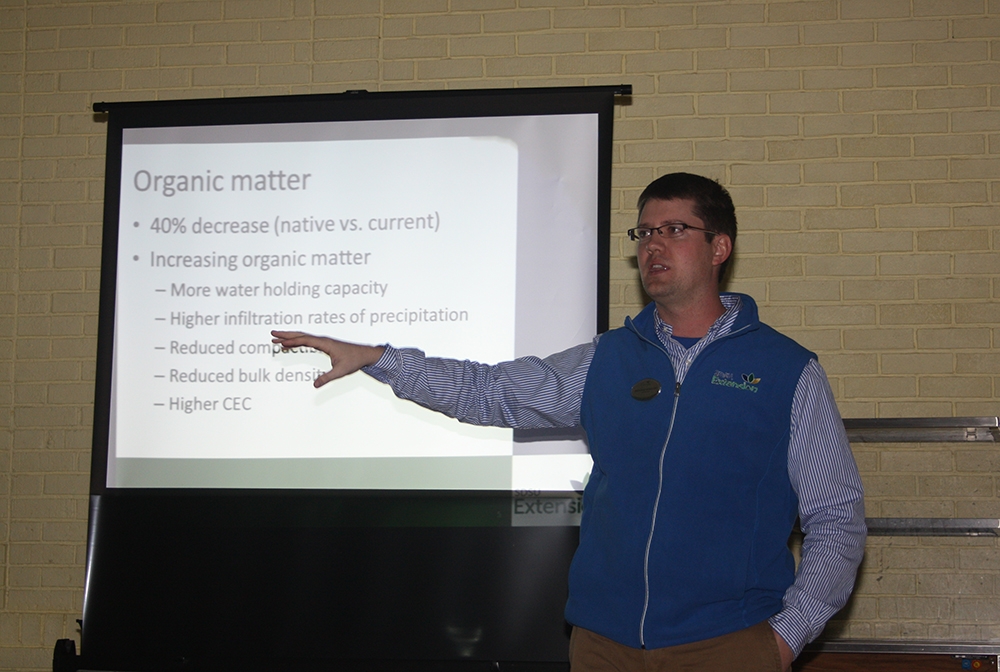
This past season, SDSU state agronomist Nathan Mueller did not put cows out to graze in his corn field near Hooper, Neb. He wanted the extra residue left to help with next year’s crop. “Residue in a dry year helps retain moisture,” stated Mueller, “that’s why it’s good to leave those corn stalks in the field.”
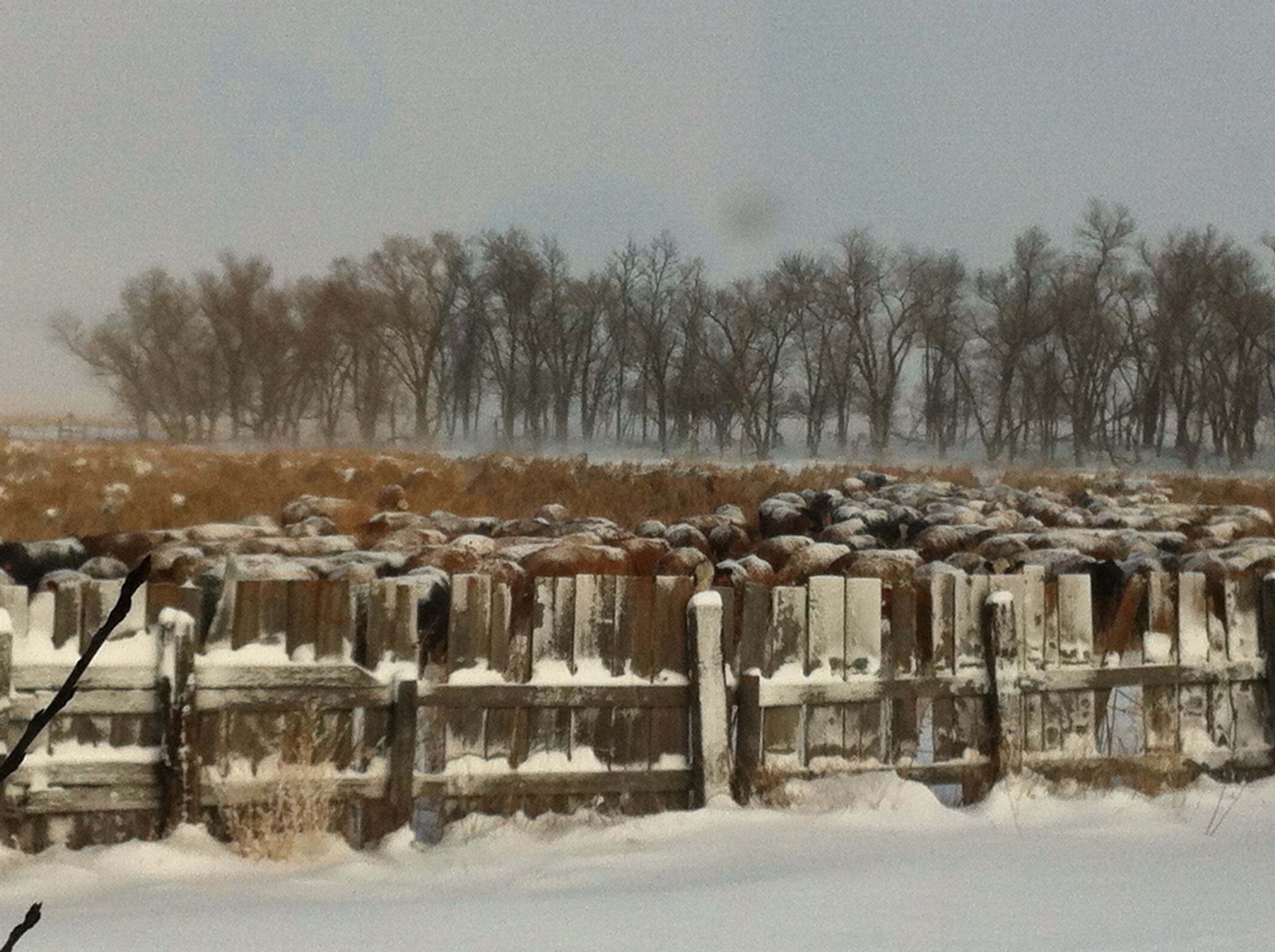
The weekend blizzard, which dropped between 5 and 10 inches of snow on most of eastern South Dakota won’t have much of an impact on drought conditions in farm country says Dennis Todey, State Climatologist. UPDATE: Map of snowfall totals.
Farmers will be able to choose from three new corn varieties that promise to increase yields during drought conditions. Whether farmers go for the more expensive seeds may hinge on whether they think the drought is likely to continue.
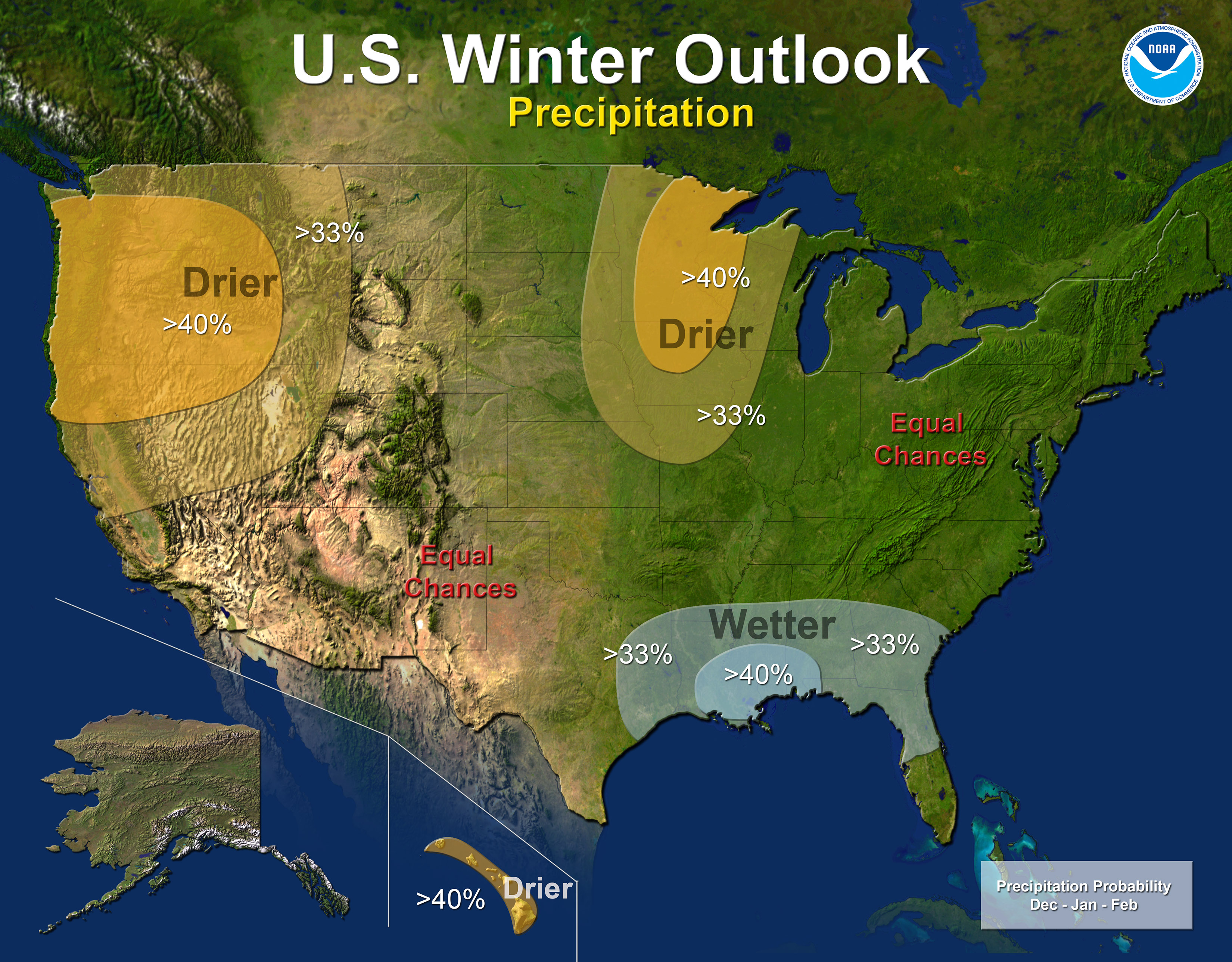
The outlook for reducing South Dakota’s nagging drought does not appear promising based on the Oct. 18 Climate Prediction Center’s long-range outlook.
With no precipitation of any kind during the last three weeks, the fire danger is high and local volunteer fire departments deployed to three fires starting Sept. 14.
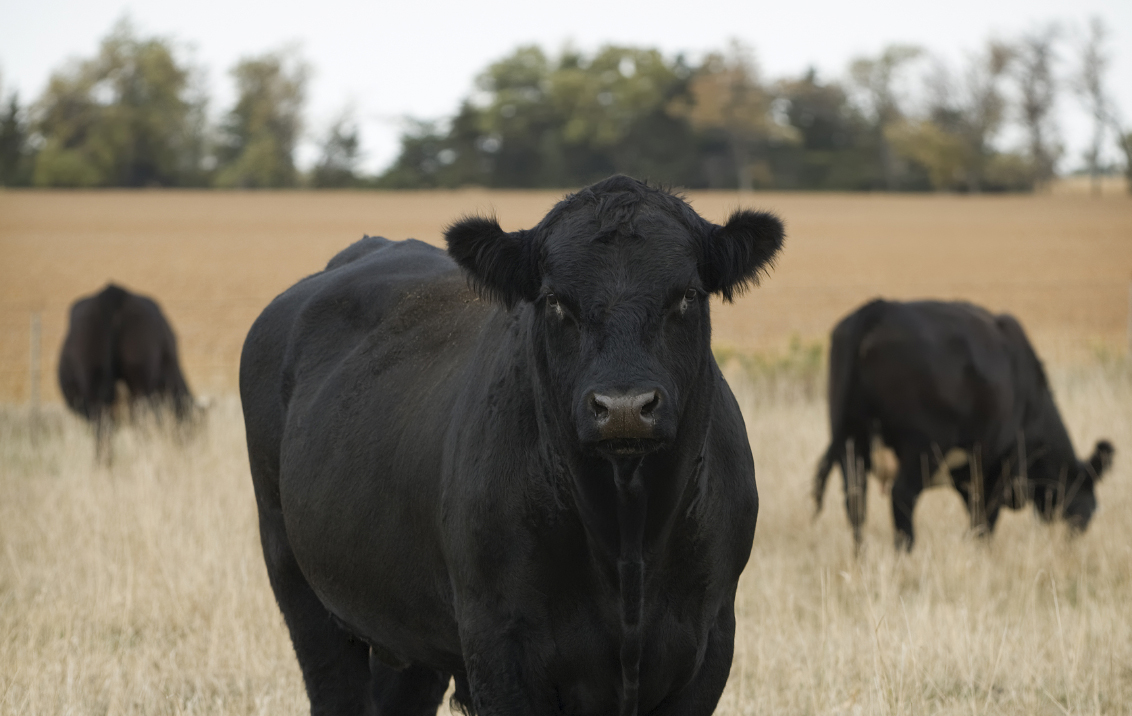
Unlike their West River counterparts, most Day County and northeast South Dakota livestock producers aren’t culling their herds due to drought and/or the specter of high feed prices.
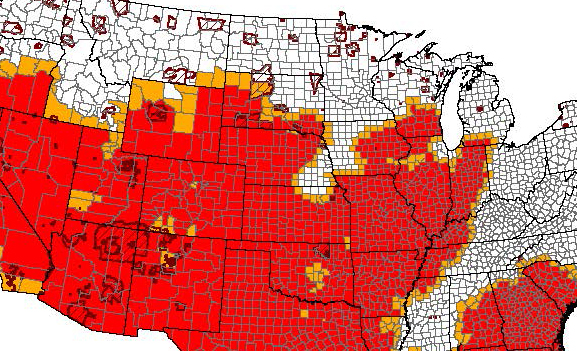
More than half of U.S. counties are now disaster areas, 90 percent because of the ongoing drought that has been brutalizing the nation.