A good season to try cover crops
Due to the adequate moisture many areas of the state have received, this year may be a good year to try cover crops, said Ruth Beck, SDSU Extension Agronomy Specialist.
Due to the adequate moisture many areas of the state have received, this year may be a good year to try cover crops, said Ruth Beck, SDSU Extension Agronomy Specialist.
The latest update to the August climate outlook was released this week, with a forecast of cooler than average temperatures for most of South Dakota. Rainfall forecasts show no clear leaning toward wetter, drier or near normal for the next month, said Laura Edwards, SDSU Extension Climate Field Specialist.
USDA released its much-anticipated June Acreage report on Friday, June 28, 2013. Because of wet planting conditions across much of the Corn Belt, including Iowa and Illinois, many expected about 2 million fewer acres of corn would be planted than reported in the March Prospective Plantings report, with about half of those lost corn acres being switched to soybeans. However the report indicated that did not occur, said Darrell R. Mark, Adjunct Professor of Economics at South Dakota State University.

Environmental Protection Agency (EPA) has issued a statement concerning use of pesticides and their unintended negative impacts on pollinator health.
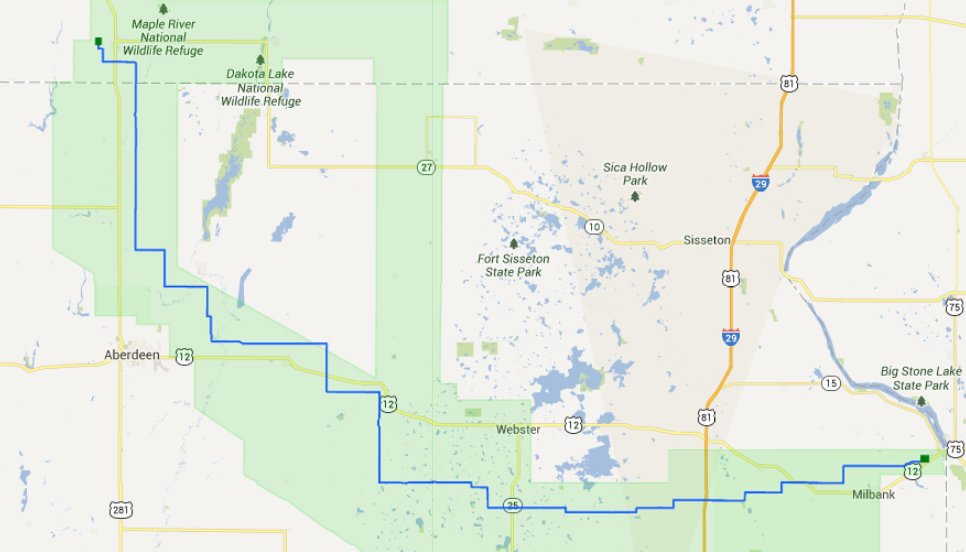
The trio of electric companies working on siting a new transmission line from Ellendale, N.D., to Big Stone City, S.D., called the Big Stone South to Ellendale project (BSSE), published their preferred route on the BSSE website in a post dated June 4.
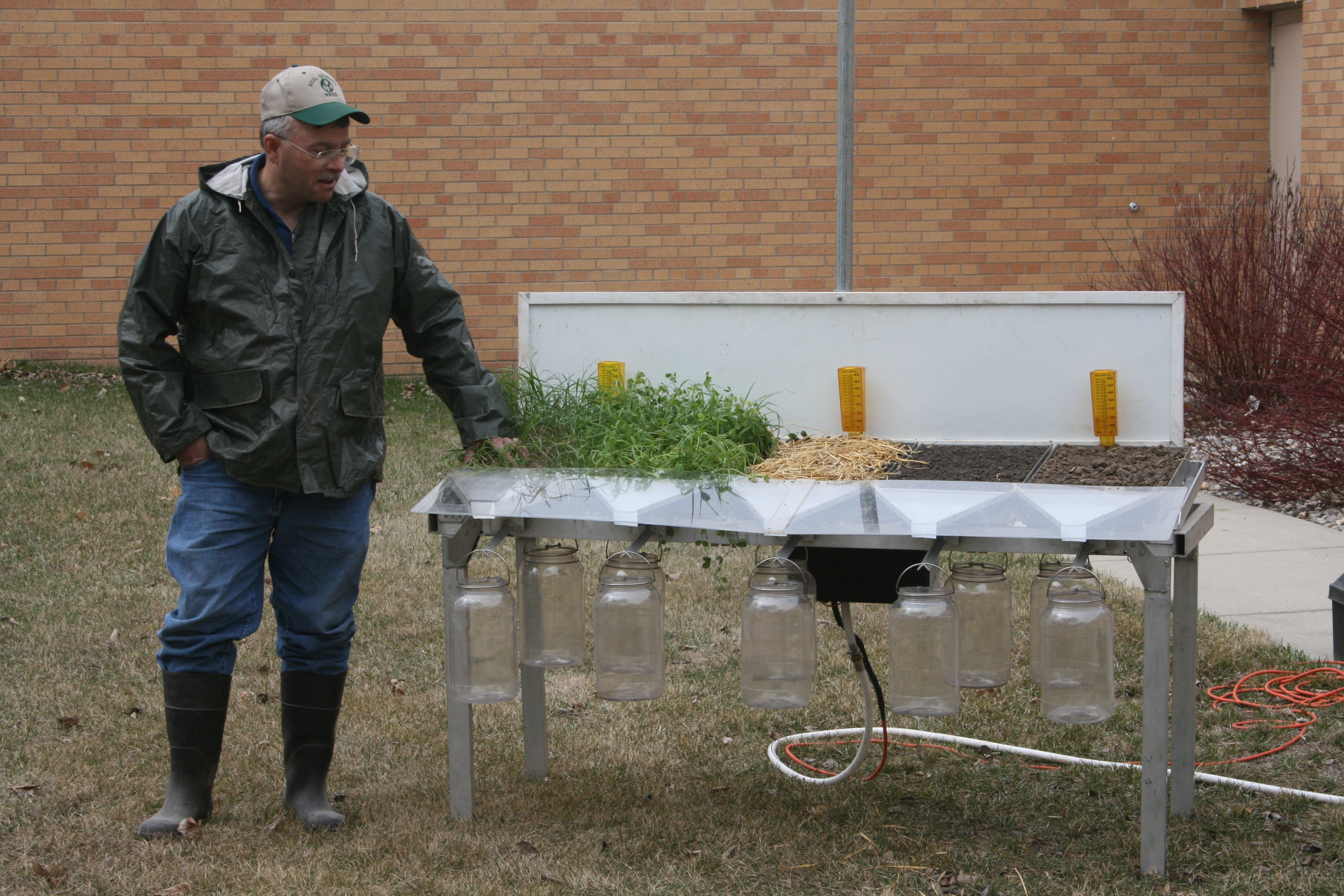
Is the abundance of rain the Dakotas have seen in the past few weeks a blessing or too much of a good thing? The answer to that question probably depends on where live—but how you farm also matters, area scientists say.
Some unusual weather events were reported in northeast South Dakota recently, but area producers welcomed the timely rains that came with them.
There will be a wind farm in Clark County. Oak Tree Energy has been negotiating with NorthWestern Energy, through the South Dakota Public Utilities Commission, and late last Tuesday the PUC handed down its decision.

Farmers across the country face a dilemma as herbicides that once killed off the weeds that compete with their crops lose effectiveness in the face of herbicide-resistant weeds.
Day County Commissioners spent much of last week’s meeting dealing with 20 concerned landowners who don’t want BSSE transmission lines running through their property.