Skip to content

Helping pollinators helps the whole system, advocate says

by Susan Smith, Special to Dakotafire Media Populations of pollinating insects, such as monarch butterflies and bees, are considered a key indicator of overall environmental health. “They’re the canary in the coal mine,” said Peter Berthelsen during a presentation to… 

Glyphosate resistant kochia challenges farmers

Kochia has been a weed of concern in South Dakota for almost a century. First introduced to the U.S. as an ornamental plant in 1900, kochia has had plenty of time to become an aggressive weed.

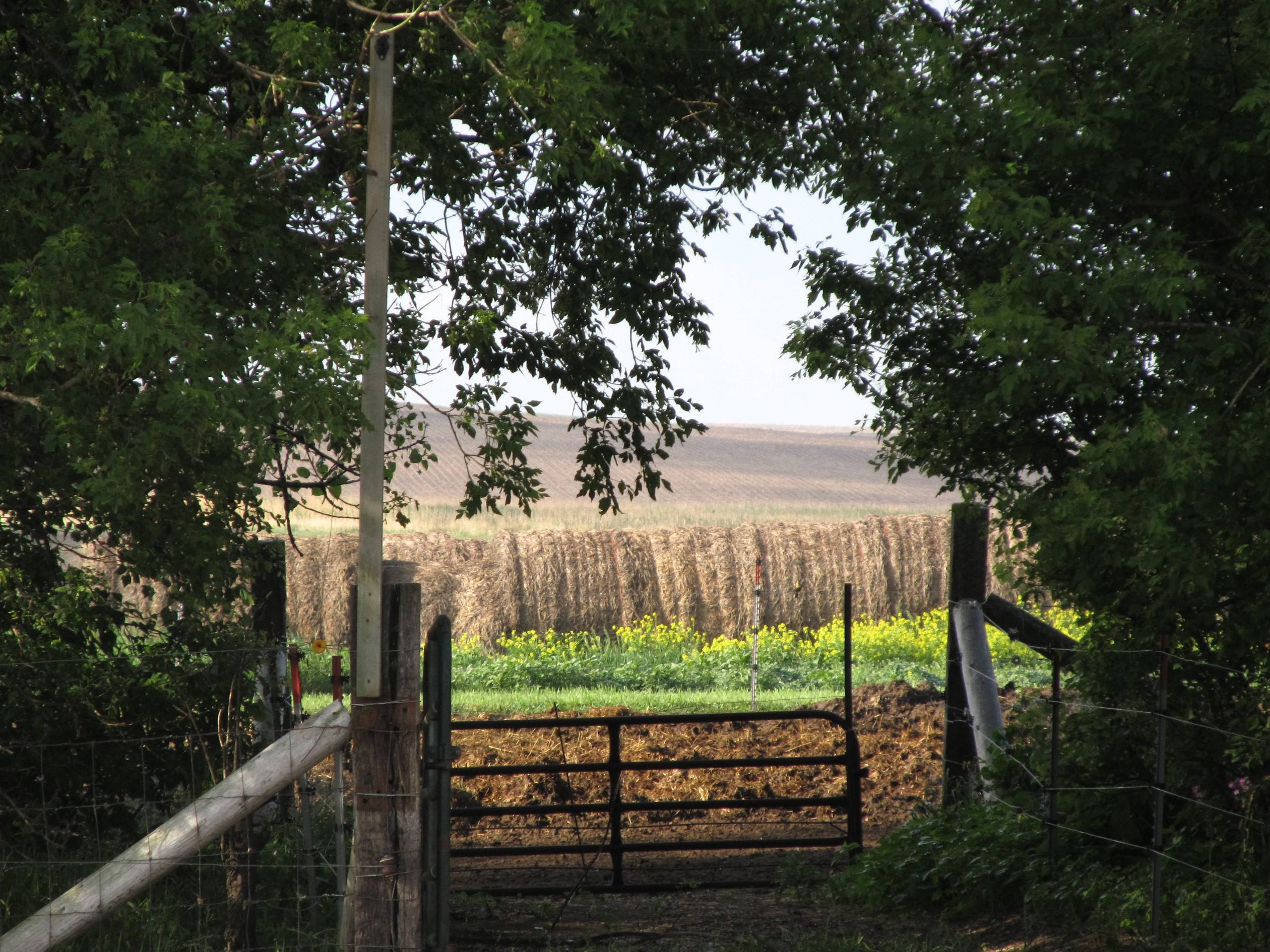
The view from the Johnson Farms farmyard. Photo by Becky Froehlich

New herbicide-resistant crops may affect neighbors

Advocates of the new technology say the new crops provide a vital weapon in the war against weed resistance to glyphosate, which is becoming a stubborn and costly problem for farmers across the country.

Unfortunately, stubborn weeds aren’t the only thing that 2,4-D kills, and gardeners, vineyard owners and even other farmers of commodities who don’t switch to the new technology could be affected if the 2,4-D drifts onto their fields.

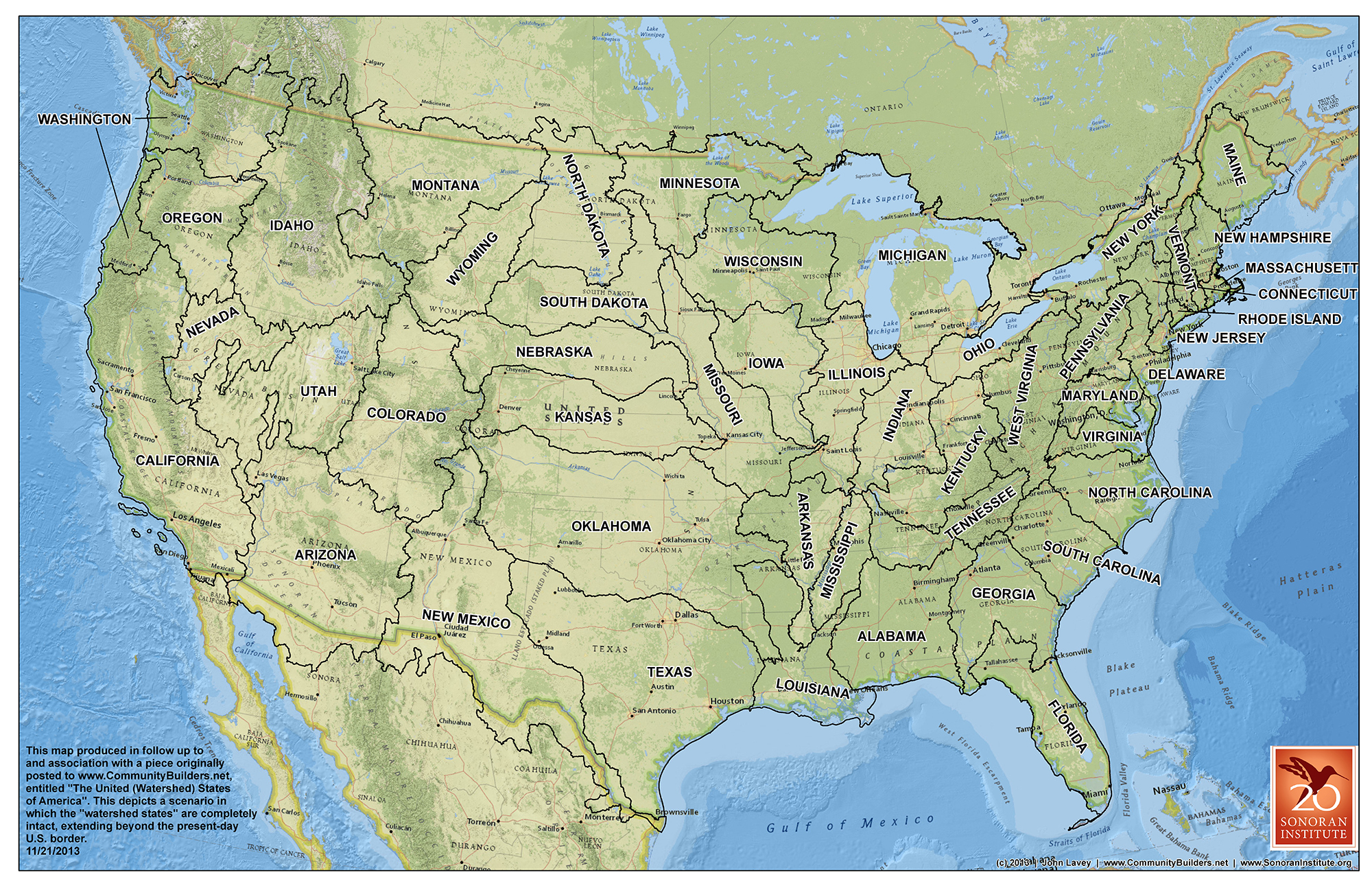
The 19th-century explorer John Wesley Powell predicted that the lack of water would cause problems in the western United States, and he recommended that state lines be drawn according to watersheds instead of according to other political boundaries. He believed this would encourage residents to conserve water instead of fighting over it. He drew a map of the West that suggested what those states could look like. John Lavey of the Sonoran Institute has drawn a national map that follows on the states-by-watershed idea. Click to see a larger version, or go to http://www.flickr.com/photos/108072018@N03/10929250216/.

Water flows across political boundaries, brings conflict with it

The 19th-century explorer John Wesley Powell envisioned developing the political boundaries of the arid American West based on watersheds. More than 120 years ago, he predicted the potential for fights over water. Powell’s watershed boundary vision did not come to pass, but the conflicts he envisioned did—including here in the Dakotas.

New Weather Station in Marshall County

via SDSU Extension   BROOKINGS, S.D. — Thanks to a public-private partnership, Marshall County has a new weather station. The station, sponsored by Full Circle Ag of Britton, reports live weather and ag data. It will operate as a part… 

Watershed taskforce agrees relief is needed in Day County

A Regional Watershed Advisory Task Force, a legislative committee charged with studying water management issues, held its third meeting in Webster last week where the message from landowners was relief from the ever rising sloughs and lakes.

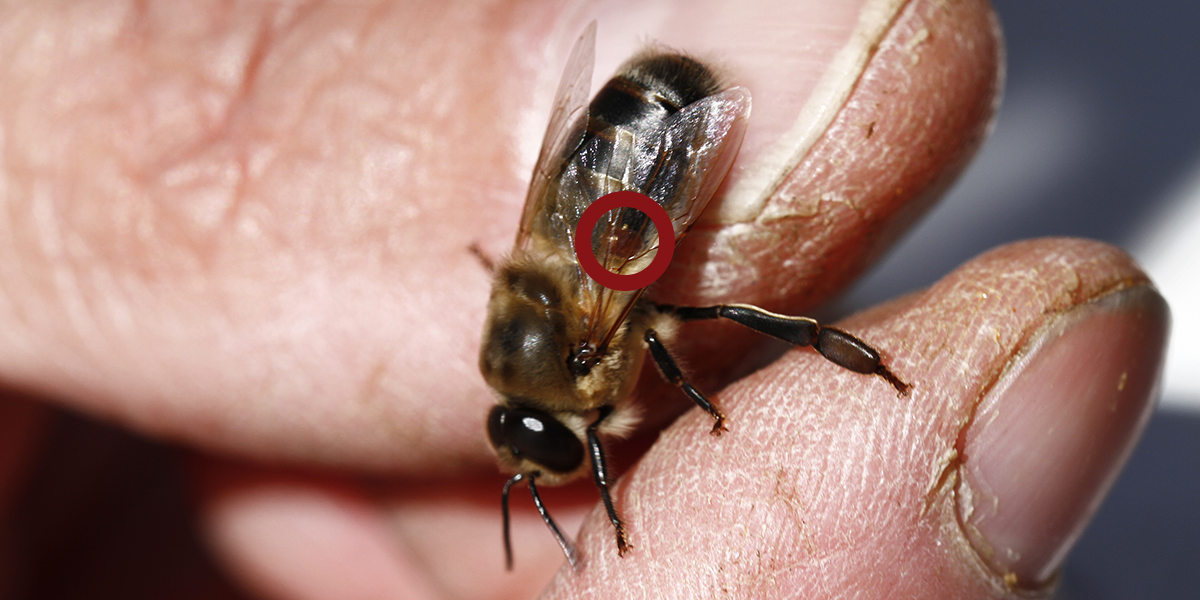
A Varroa mite (indicated with red circle) can be seen under the wing of this bee from Miller Honey Farms in Gackle, N.D. Beekeepers say the mites cause many problems for them. Researchers from the University of Minnesota say that poor nutrition resulting from habitat loss may be making the mite situation worse. Photo by Lindsay Anderson/Tri-County News

Bee losses that threaten industry partly related to change in Dakota landscape

What is causing the significant increase in bee die-offs in the past decade?

Recent research suggests there’s no single cause, instead pointing to several factors that combine or interact to weaken or kill bees. But according to an ongoing study in Stutsman County, N.D., at least one of those causes is tied to changes in the Dakota land where those bees buzz away their summers: The conversion of grassland to cropland is affecting bees’ diets, which makes them less healthy.

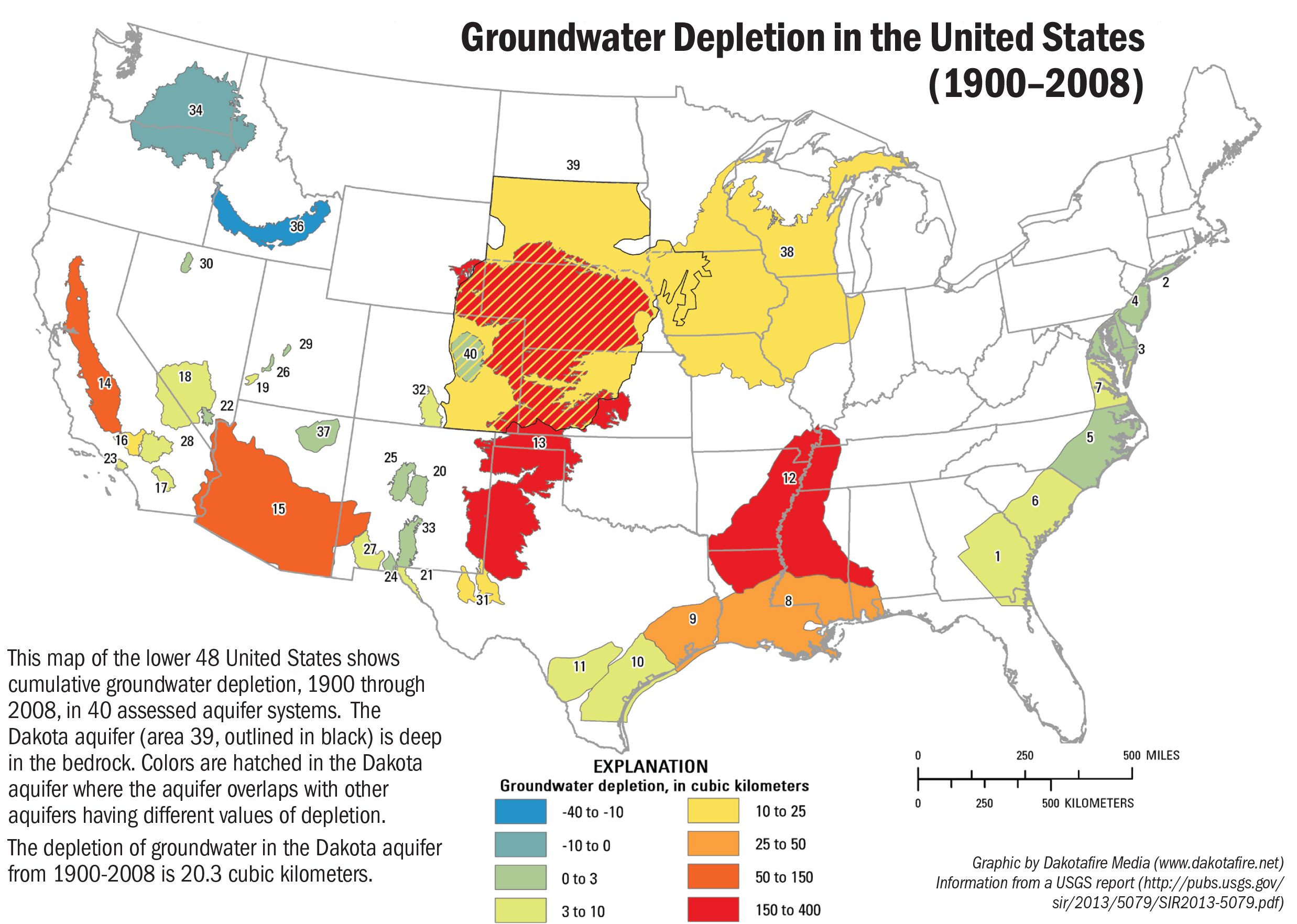
Groundwater depletion in the United States, 1900-2008

Groundwater levels are down in South Dakota

Groundwater depletion of the Ogalla aquifer has made headlines in recent years, but the Dakota aquifer has also gone down significantly since 1900, according to estimates by the U.S. Geological Survey.

Tiling is not the same as drainage

A handful of area farmers convinced the Day County Commission that requiring notices before drain tiling is a step in the wrong direction.