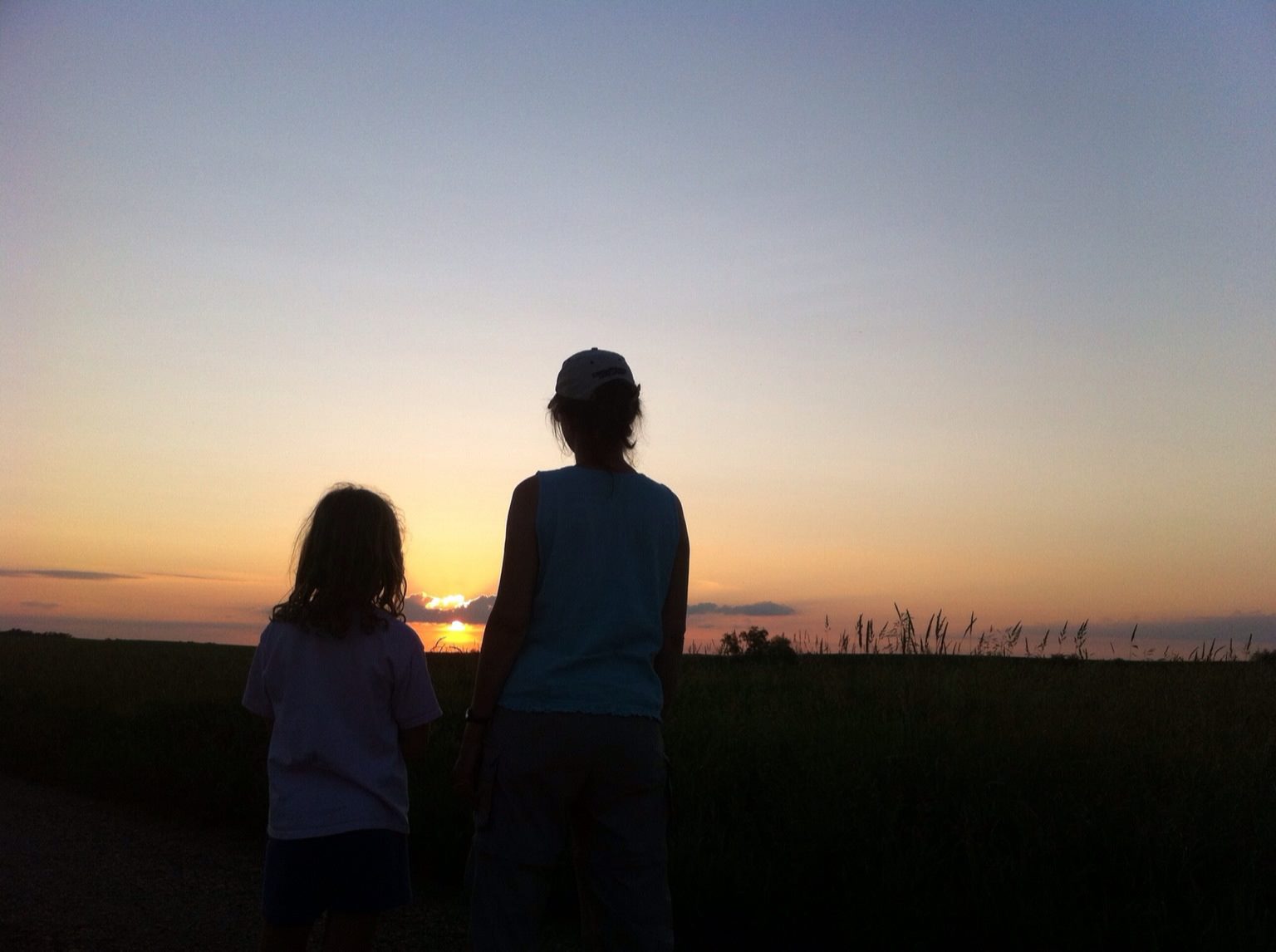
FiredUp: From a nation of small farms to a nation of cubicle dwellers
In the loss of a connection to the land, we as a nation have lost something precious.
In the loss of a connection to the land, we as a nation have lost something precious.
USDA released its much-anticipated June Acreage report on Friday, June 28, 2013. Because of wet planting conditions across much of the Corn Belt, including Iowa and Illinois, many expected about 2 million fewer acres of corn would be planted than reported in the March Prospective Plantings report, with about half of those lost corn acres being switched to soybeans. However the report indicated that did not occur, said Darrell R. Mark, Adjunct Professor of Economics at South Dakota State University.

Environmental Protection Agency (EPA) has issued a statement concerning use of pesticides and their unintended negative impacts on pollinator health.
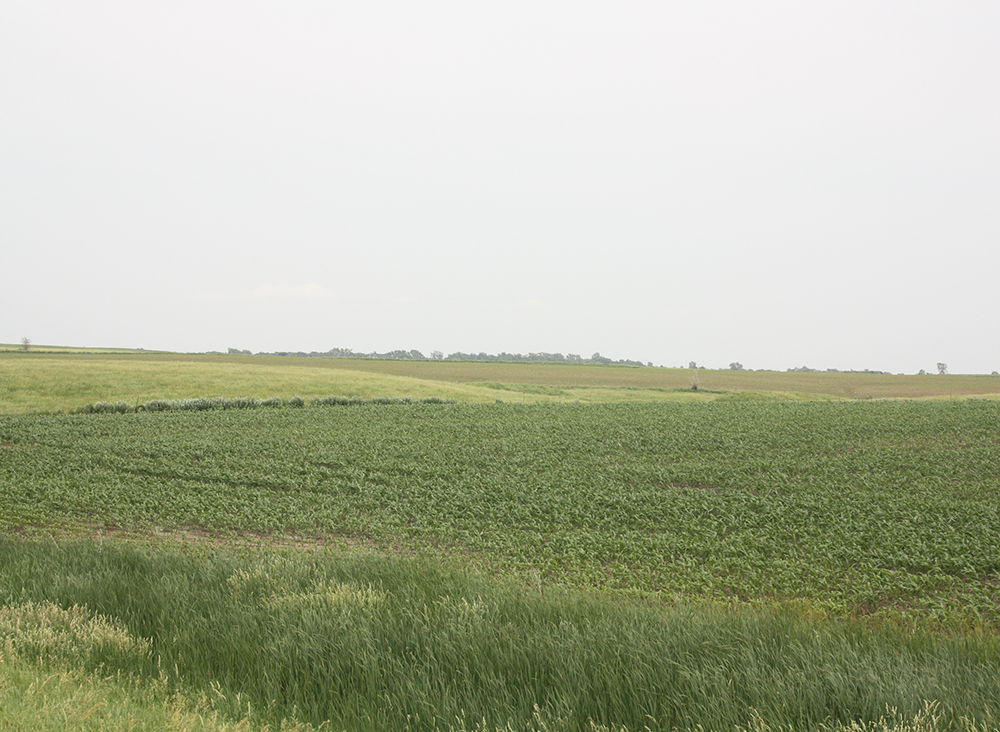
Does it matter who owns farmland? It might, according to several recent surveys and studies, which suggest that land owned by the person who farms it can be better for local communities, and may be more likely to have in place conservation measures, than land that is rented.
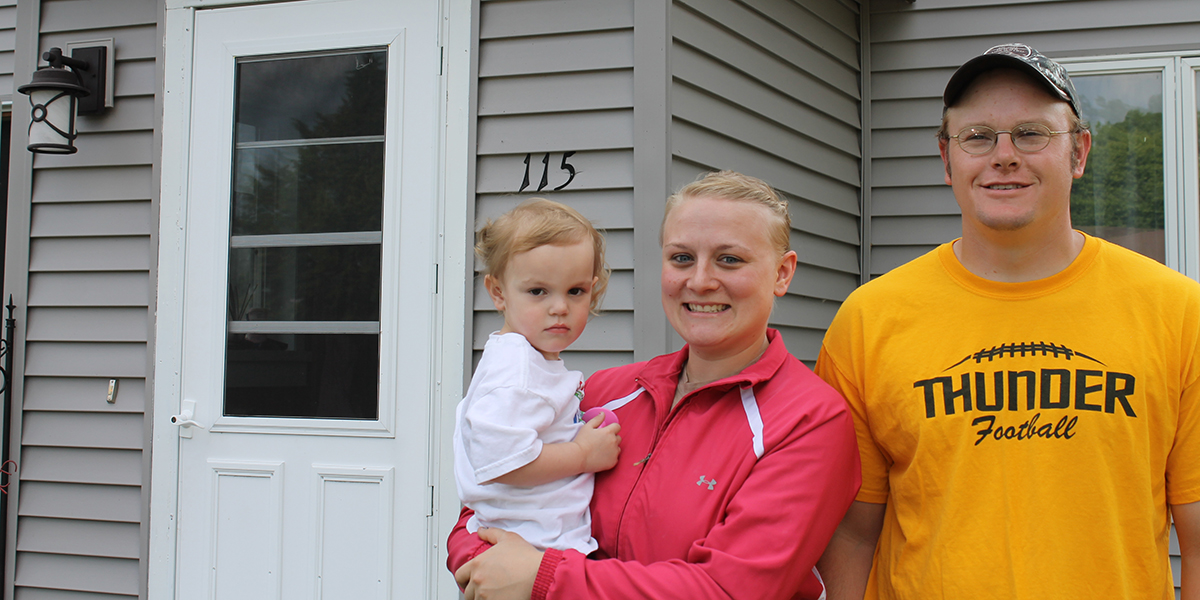
When it comes to housing, many would-be Kulm residents are finding non-residents literally hold the keys to their future.
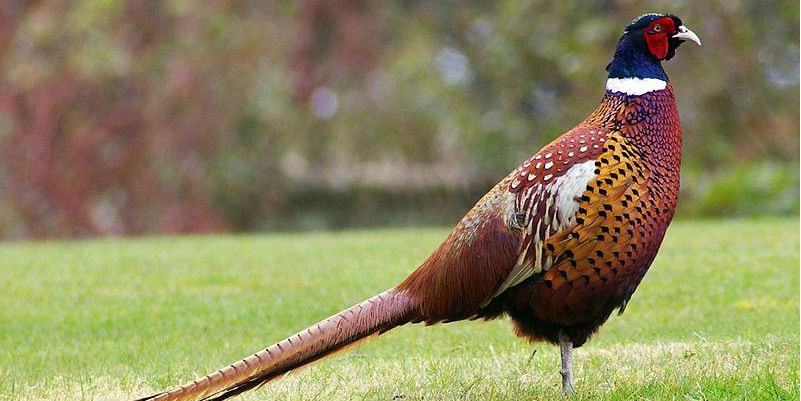
Where Day County was once a destination for pheasant hunters, it seems in recent years the majority have been only passing through, headed to counties further west and south. That equates to millions of lost revenue for the county.

For more than a decade a group of concerned Enemy Swim homeowners have battled to make the dream of a pristine northeast South Dakota lake come true. The Enemy Swim Sanitation District was formed over 10 years ago, and its first goal was to create a system that would collect and treat wastewater rather than see it seep into the lake. There were some bumps in the road along the way.
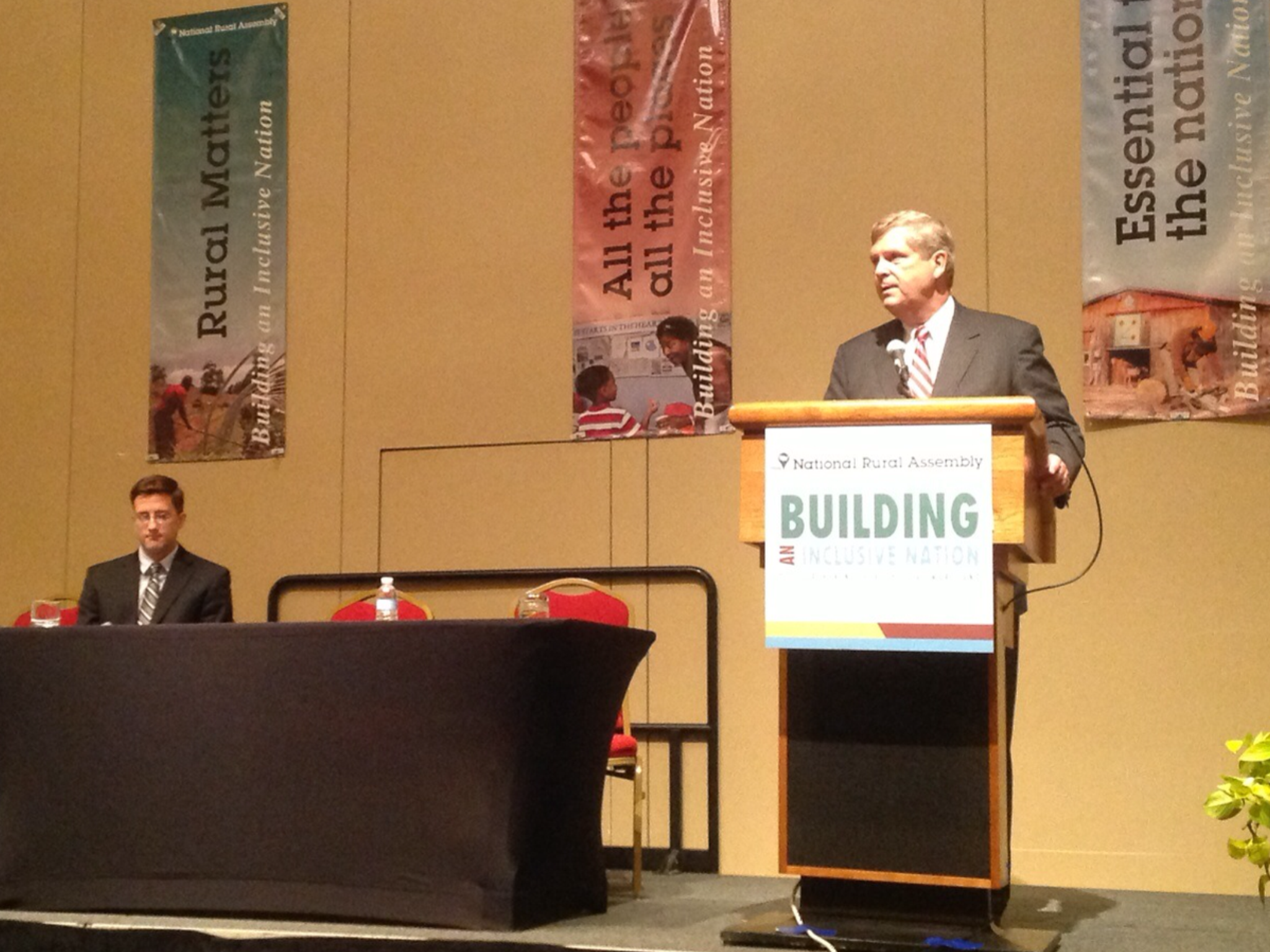
After raising the issue of the relevancy of rural places to the national political conversation last December, U.S. Agriculture Secretary Tom Vilsack took a step beyond that Tuesday as he addressed the National Rural Assembly: Why aren’t rural advocates outraged when rural places are dismissed as irrelevant?

What’s the best balance of urban and rural for the healthiest society? What is our argument for keeping our rural places strong and vital?
