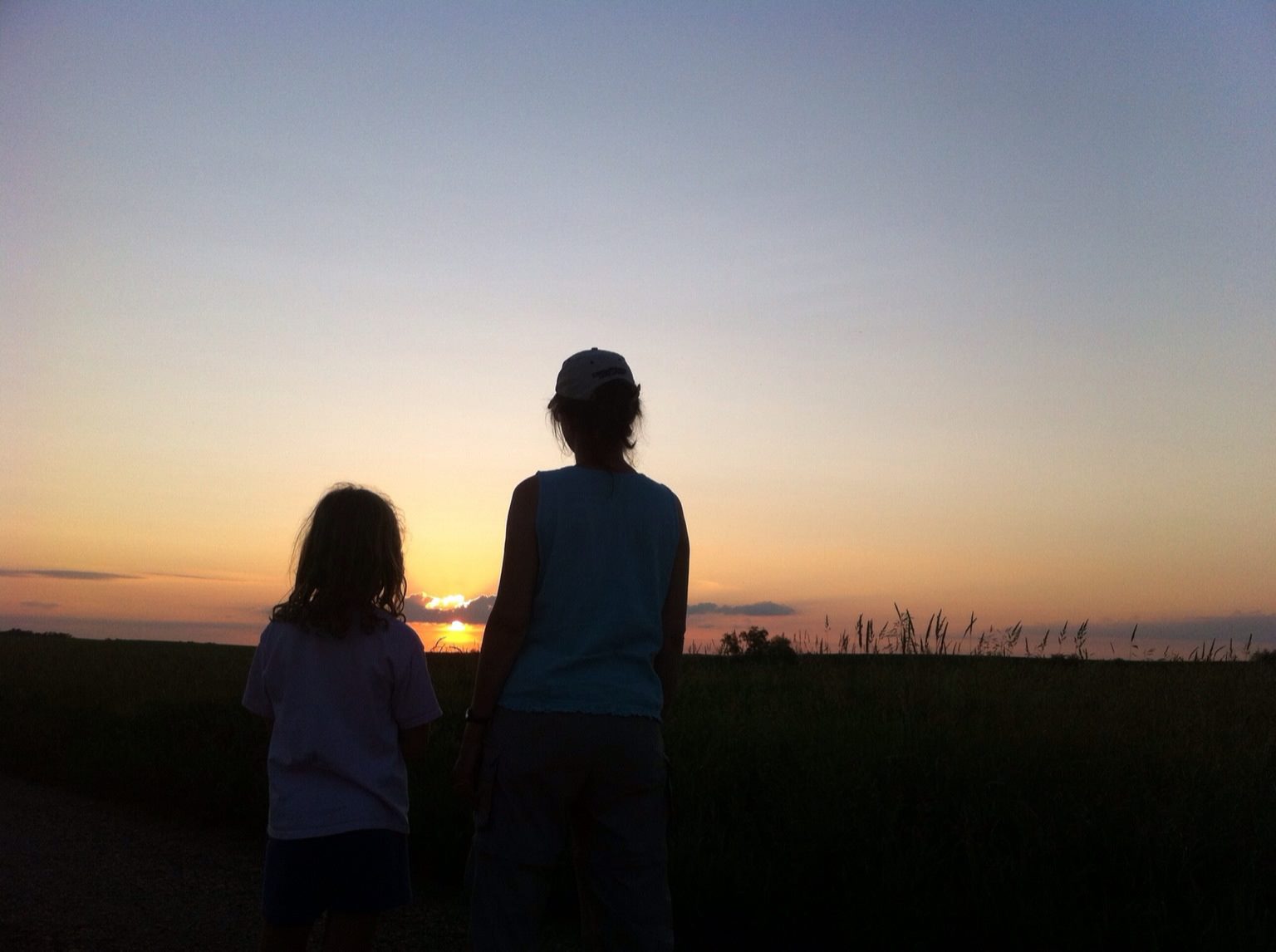
FiredUp: From a nation of small farms to a nation of cubicle dwellers
In the loss of a connection to the land, we as a nation have lost something precious.
In the loss of a connection to the land, we as a nation have lost something precious.
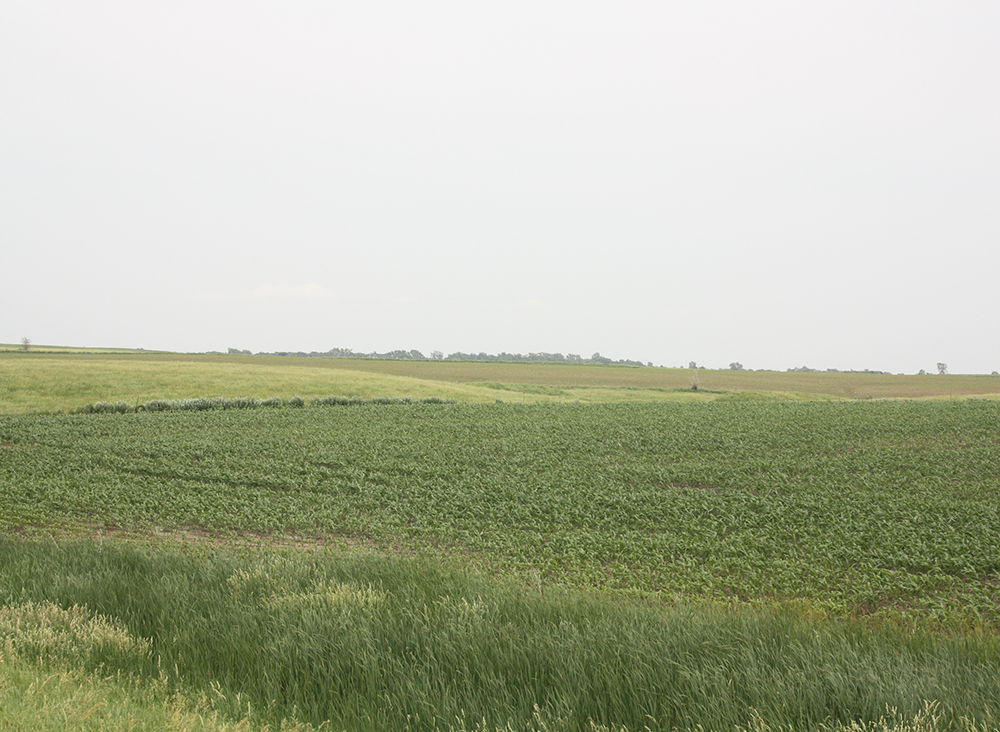
Does it matter who owns farmland? It might, according to several recent surveys and studies, which suggest that land owned by the person who farms it can be better for local communities, and may be more likely to have in place conservation measures, than land that is rented.
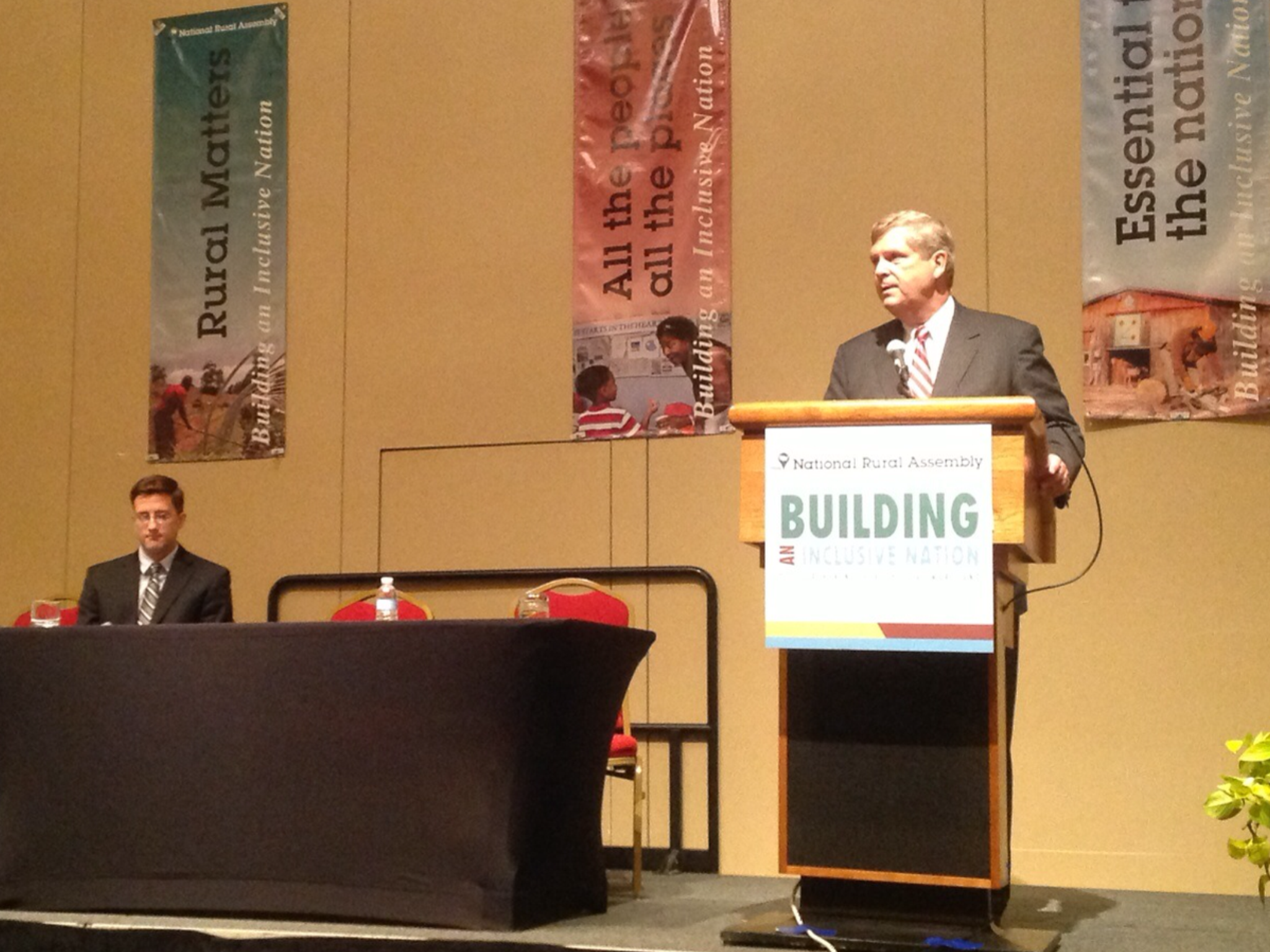
After raising the issue of the relevancy of rural places to the national political conversation last December, U.S. Agriculture Secretary Tom Vilsack took a step beyond that Tuesday as he addressed the National Rural Assembly: Why aren’t rural advocates outraged when rural places are dismissed as irrelevant?

What’s the best balance of urban and rural for the healthiest society? What is our argument for keeping our rural places strong and vital?
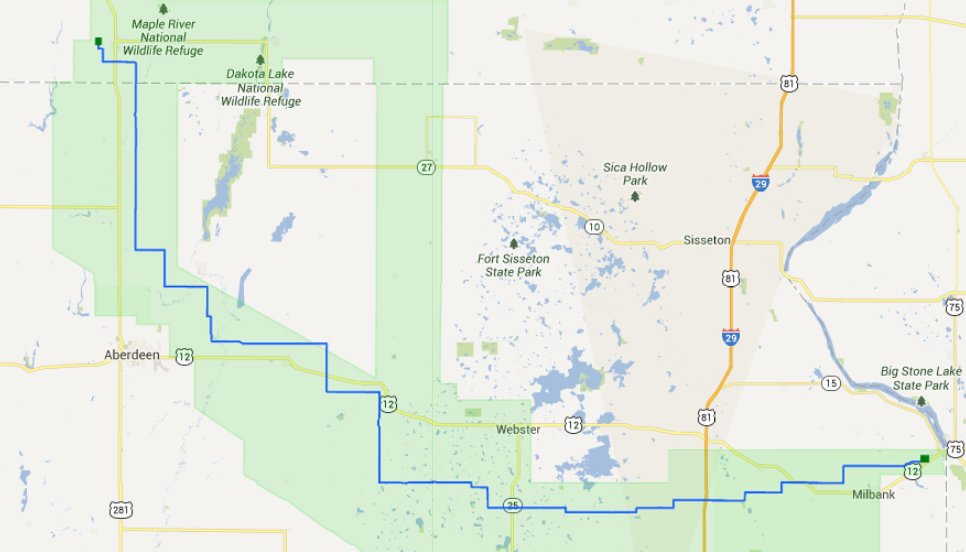
The trio of electric companies working on siting a new transmission line from Ellendale, N.D., to Big Stone City, S.D., called the Big Stone South to Ellendale project (BSSE), published their preferred route on the BSSE website in a post dated June 4.
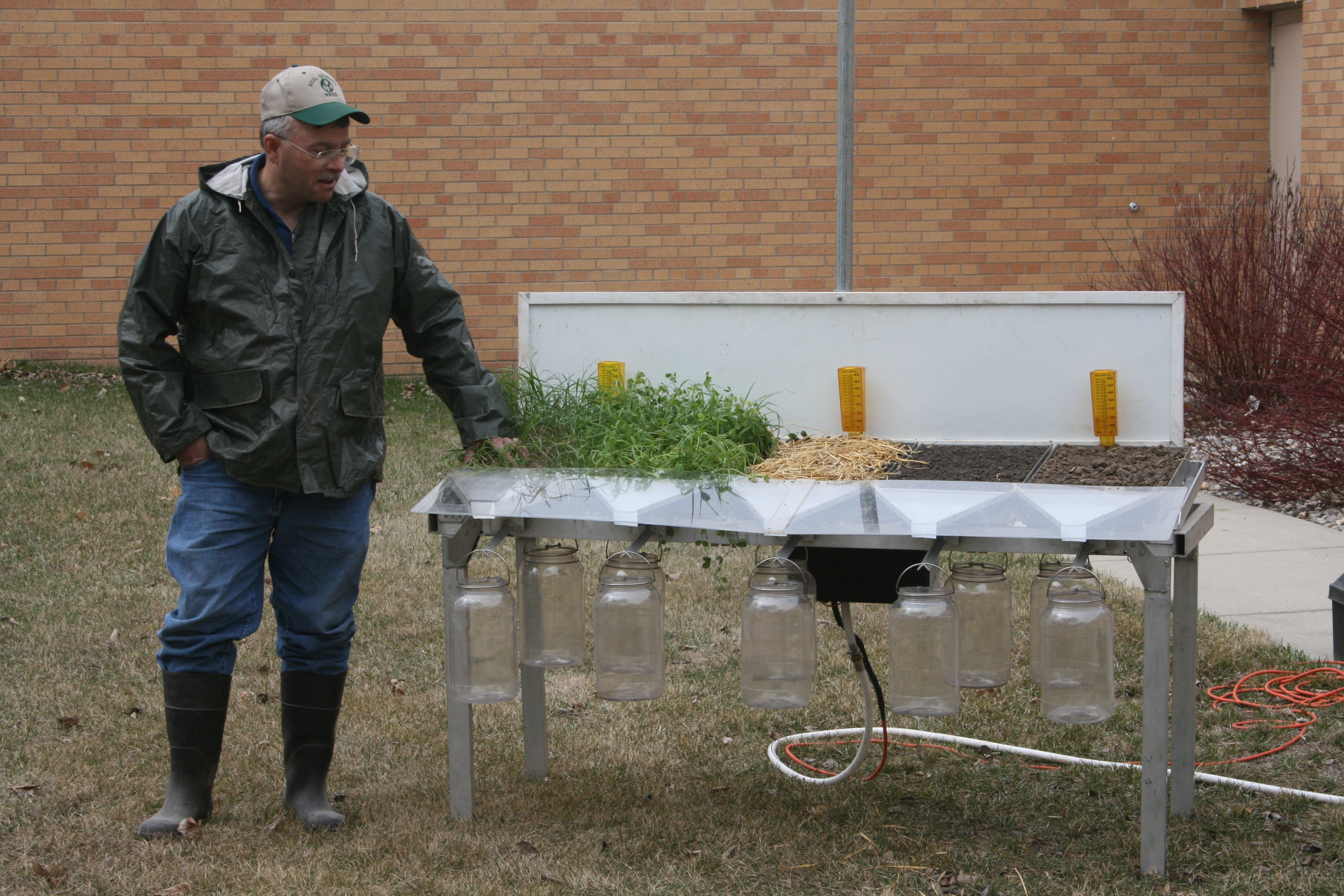
Is the abundance of rain the Dakotas have seen in the past few weeks a blessing or too much of a good thing? The answer to that question probably depends on where live—but how you farm also matters, area scientists say.
Should we encourage ambitious young people to stay in the Dakotas, or to leave? Will one or the other of these options be better for those young people, or for society as a whole?
They actions that government is taking to increase regulations may be more a symptom than a cause of the problem.
My submitted question for an interview with Michael Pollan didn’t make the cut.
