FiredUp: Don’t call bicyclist’s death an accident
Calling it an “accident” makes it too easy to ignore the problems that led to a young woman’s death.
Calling it an “accident” makes it too easy to ignore the problems that led to a young woman’s death.
The following is from Christine Sorensen, rural development coordinator for the U. S. Department of Agriculture-Rural Development in Pierre, S.D. Read on for valuable resources for rural communities, including several grant opportunities.

You’ll now find a new way to read Dakotafire’s magazine stories: On any digital device you choose, whether computer, tablet or smart phone.

The second in a series of events intended to spark community and regional conversations will be from 11 a.m. to 1 p.m. Thursday, May 29, at the American Legion in Webster, S.D.
The event, called a Dakotafire Café, intends to get people talking about the topics presented in the latest issue of Dakotafire magazine, according to Dakotafire Editor Heidi Marttila-Losure.
The May-June issue takes an in-depth look at the increase in installation of drain tile in the eastern Dakotas.

Britton hosted the first-ever Dakotafire Café event on Friday, and it served to fuel some thinking on how the community might do a better job of attracting workers. The event was the first in a series of group meetings planned…
Kochia has been a weed of concern in South Dakota for almost a century. First introduced to the U.S. as an ornamental plant in 1900, kochia has had plenty of time to become an aggressive weed.
The first in a new series of events intended to spark community and regional conversations will be from noon to 2 p.m. Friday, March 28, at the Marshall County Community Building in Britton, S.D.
The event, called a Dakotafire Café, intends to get people talking about the topics presented in the latest issue of Dakotafire magazine, according to Dakotafire Editor Heidi Marttila-Losure.
“Most of our small towns have a place where locals gather to solve the world’s problems over a cup of coffee,” Marttila-Losure said. “These events are intended to bring that spirit of problem-solving conversations to the issues that affect our communities—which are the topics we try to address in the magazine.”

Both North and South Dakota perform well above the national average when it comes to high school graduation rates, but nationwide, graduation rates between rural and urban students are almost too close to call, accepting a margin of error: 83 percent and 86 percent, respectively. However, the discrepancy between rural and urban residents who have any amount of post-secondary education is a full 13 percentage points: 46 percent and 59 percent, respectively. So, why doesn’t that high graduation rate translate to post-secondary education the way it does for the urban population?
If you are a senior who currently receives Medicare coverage, then you are in compliance with the Affordable Care Act and don’t need to replace your coverage with a new plan, explained Leacey Brown, SDSU Extension Gerontology Field Specialist.
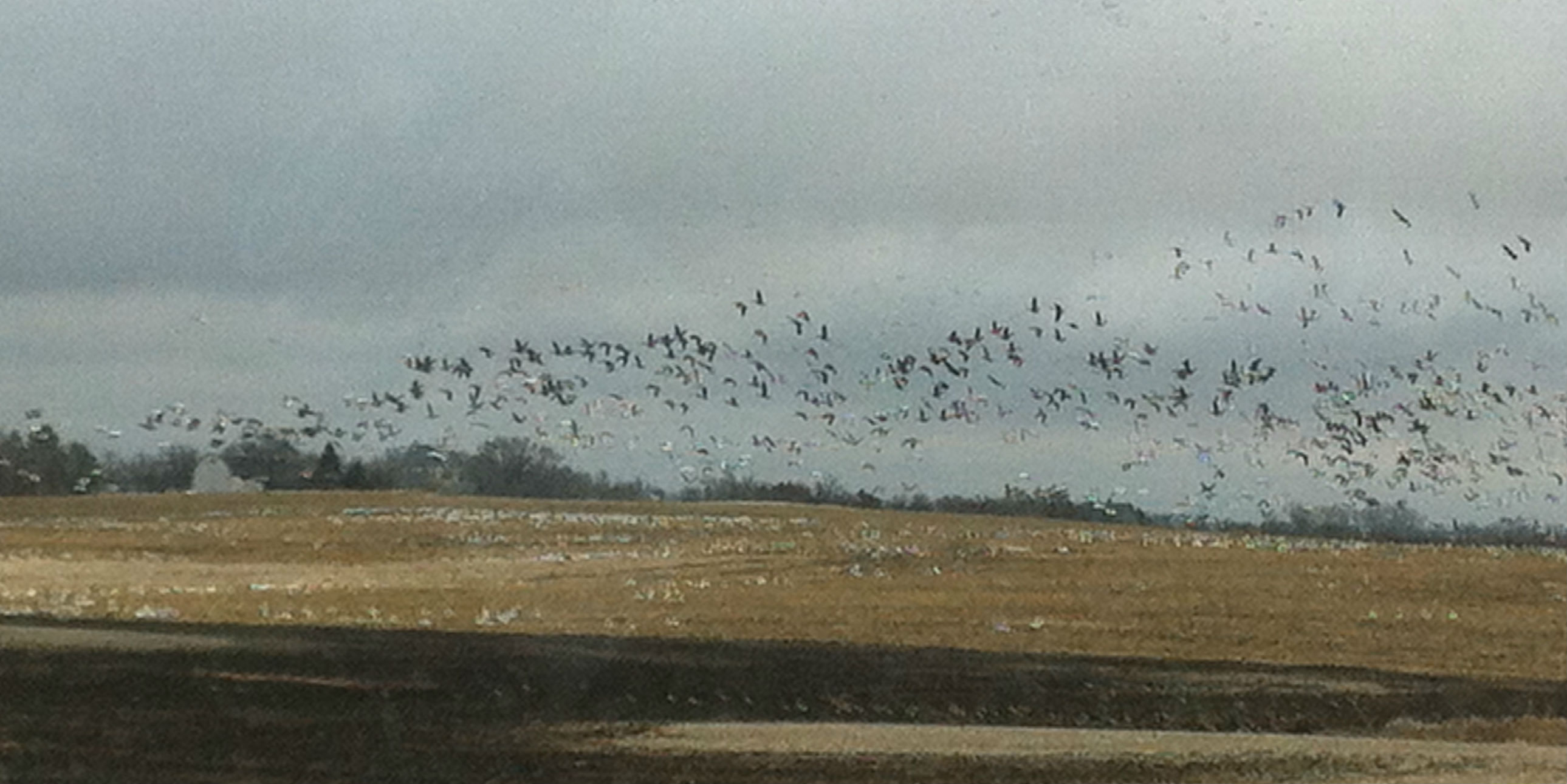
The cackle of snow geese, the sighting of a robin, the melodic call of the meadowlark – all signs of spring! Very welcome signs that we are all longing for after this unusually cold winter! Signs that may lead to put a mark on the checklist.