Skip to content
Paula Jensen discusses the topic of transportation with other participants in the Dakotafire Café in Britton on March 28. Photo by Joe Bartmann

First Dakotafire Café participants dive into commuting topic

Britton hosted the first-ever Dakotafire Café event on Friday, and it served to fuel some thinking on how the community might do a better job of attracting workers. The event was the first in a series of group meetings planned… 

Dakotafire community conversation events start in Britton on March 28

The first in a new series of events intended to spark community and regional conversations will be from noon to 2 p.m. Friday, March 28, at the Marshall County Community Building in Britton, S.D.

The event, called a Dakotafire Café, intends to get people talking about the topics presented in the latest issue of Dakotafire magazine, according to Dakotafire Editor Heidi Marttila-Losure.

“Most of our small towns have a place where locals gather to solve the world’s problems over a cup of coffee,” Marttila-Losure said. “These events are intended to bring that spirit of problem-solving conversations to the issues that affect our communities—which are the topics we try to address in the magazine.”

Fewer rural students head for college. The problem for rural places: Fewer college graduates return

Both North and South Dakota perform well above the national average when it comes to high school graduation rates, but nationwide, graduation rates between rural and urban students are almost too close to call, accepting a margin of error: 83 percent and 86 percent, respectively. However, the discrepancy between rural and urban residents who have any amount of post-secondary education is a full 13 percentage points: 46 percent and 59 percent, respectively. So, why doesn’t that high graduation rate translate to post-secondary education the way it does for the urban population?

Citizens’ Institute on Rural Design™ issues request for proposals for rural communities facing design challenges

The Citizens’ Institute on Rural Design™ (CIRD) has issued a request for proposals to rural communities facing design challenges – such as Main Street revitalization, how to manage and direct growth, design community-supportive transportation systems, preserve natural and historic landscapes and buildings, protect working agricultural lands, and provide adequate and affordable housing – who are interested in hosting a local workshop in 2014-2015.

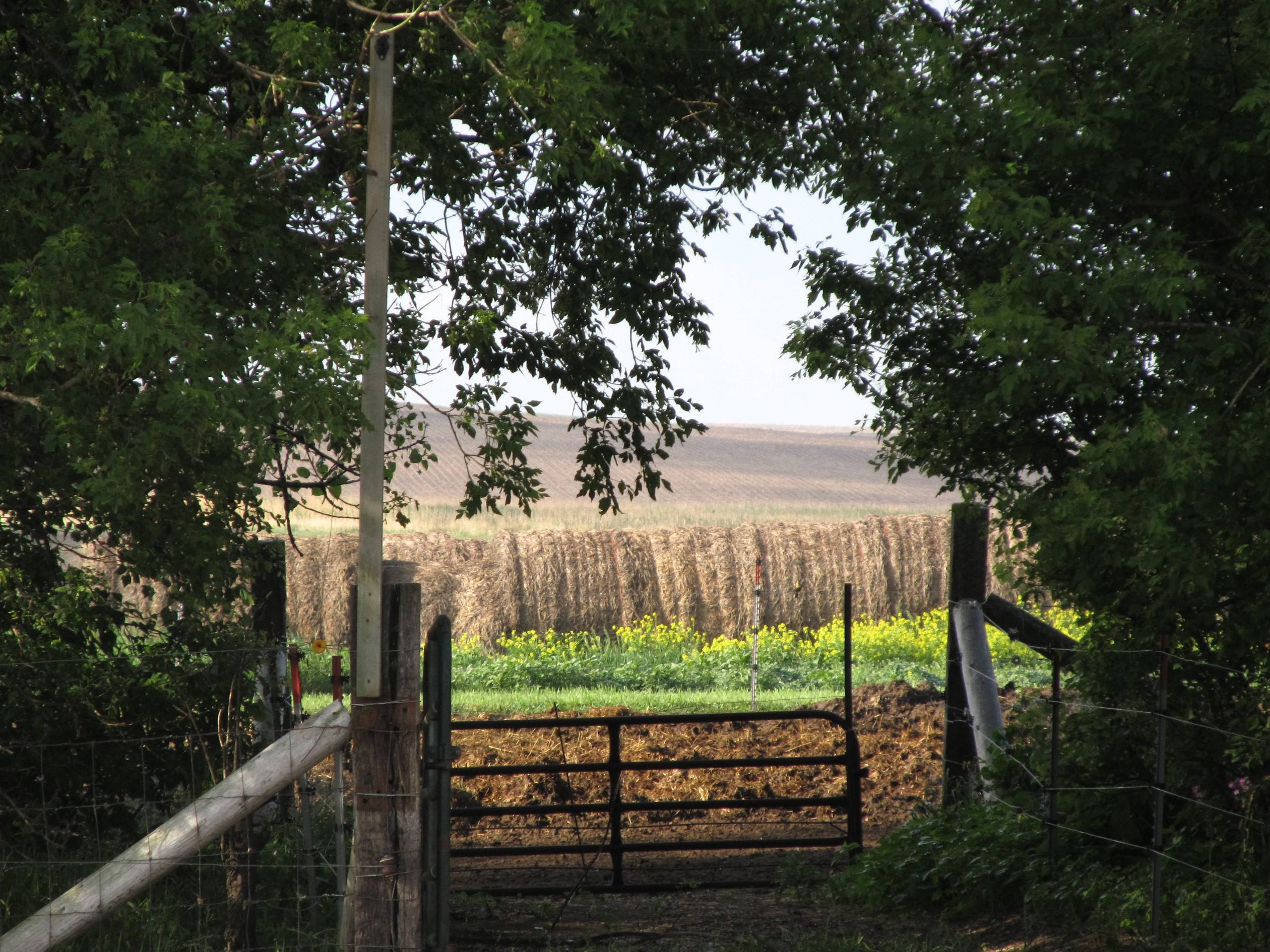
The view from the Johnson Farms farmyard. Photo by Becky Froehlich

New herbicide-resistant crops may affect neighbors

Advocates of the new technology say the new crops provide a vital weapon in the war against weed resistance to glyphosate, which is becoming a stubborn and costly problem for farmers across the country.

Unfortunately, stubborn weeds aren’t the only thing that 2,4-D kills, and gardeners, vineyard owners and even other farmers of commodities who don’t switch to the new technology could be affected if the 2,4-D drifts onto their fields.

Resources for rural communities, February 3, 2014

The following is from Christine Sorensen, rural development coordinator for the U. S. Department of Agriculture-Rural Development in Pierre, S.D. Read on for valuable resources for rural communities, including several grant opportunities.