Skip to content
Members of the Frederick community determined they could no longer guarantee 24/7 response with the EMTs available, and so they gave up their license. Here, Cole Adema, director of the Frederick Area Ambulance, explains some options. Photo by Heidi Marttila-Losure

Life-saving rapid response in jeopardy in some communities

As rural ambulance services struggle to find enough volunteers to maintain their services, it’s the moments of that crucial golden hour that tick away when help takes longer to arrive, or even fails to arrive.

The Douglas County Ambulance. Photo by The Corsica Globe

Rural ambulances face their own emergency

Rural ambulance departments across the Dakotas, which have struggled for years to have enough volunteer EMTs, are hitting a tipping point: Some are not able to continue as they have for decades. Others will face decisions in the next few years. What’s changed? How will it affect rural communities? How are people thinking differently about how to treat medical emergencies in rural communities?

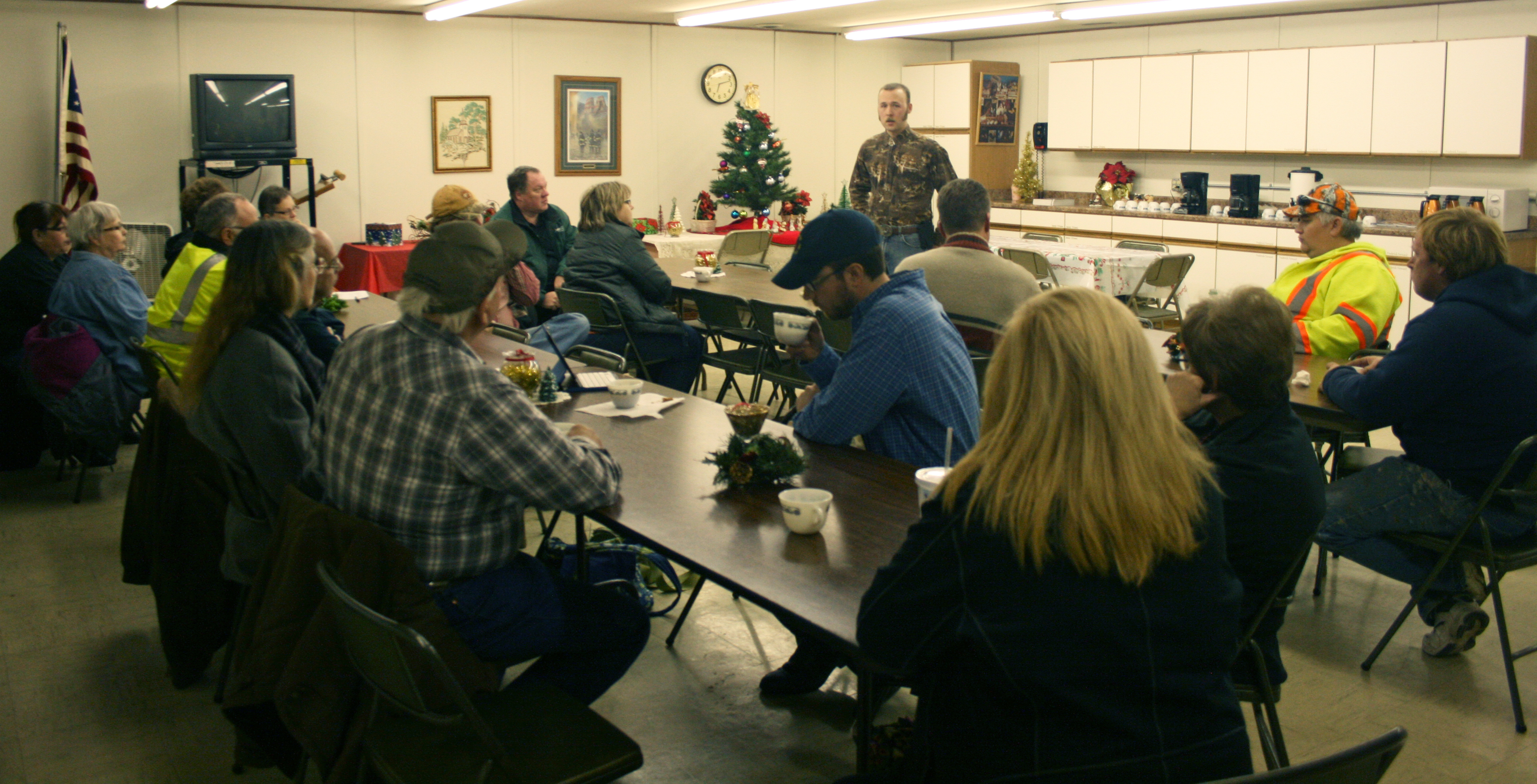
Paula Jensen discusses the topic of transportation with other participants in the Dakotafire Café in Britton on March 28. Photo by Joe Bartmann

First Dakotafire Café participants dive into commuting topic

Britton hosted the first-ever Dakotafire Café event on Friday, and it served to fuel some thinking on how the community might do a better job of attracting workers. The event was the first in a series of group meetings planned… 

Dakotafire community conversation events start in Britton on March 28

The first in a new series of events intended to spark community and regional conversations will be from noon to 2 p.m. Friday, March 28, at the Marshall County Community Building in Britton, S.D.

The event, called a Dakotafire Café, intends to get people talking about the topics presented in the latest issue of Dakotafire magazine, according to Dakotafire Editor Heidi Marttila-Losure.

“Most of our small towns have a place where locals gather to solve the world’s problems over a cup of coffee,” Marttila-Losure said. “These events are intended to bring that spirit of problem-solving conversations to the issues that affect our communities—which are the topics we try to address in the magazine.”
Fewer rural students head for college. The problem for rural places: Fewer college graduates return

Both North and South Dakota perform well above the national average when it comes to high school graduation rates, but nationwide, graduation rates between rural and urban students are almost too close to call, accepting a margin of error: 83 percent and 86 percent, respectively. However, the discrepancy between rural and urban residents who have any amount of post-secondary education is a full 13 percentage points: 46 percent and 59 percent, respectively. So, why doesn’t that high graduation rate translate to post-secondary education the way it does for the urban population?

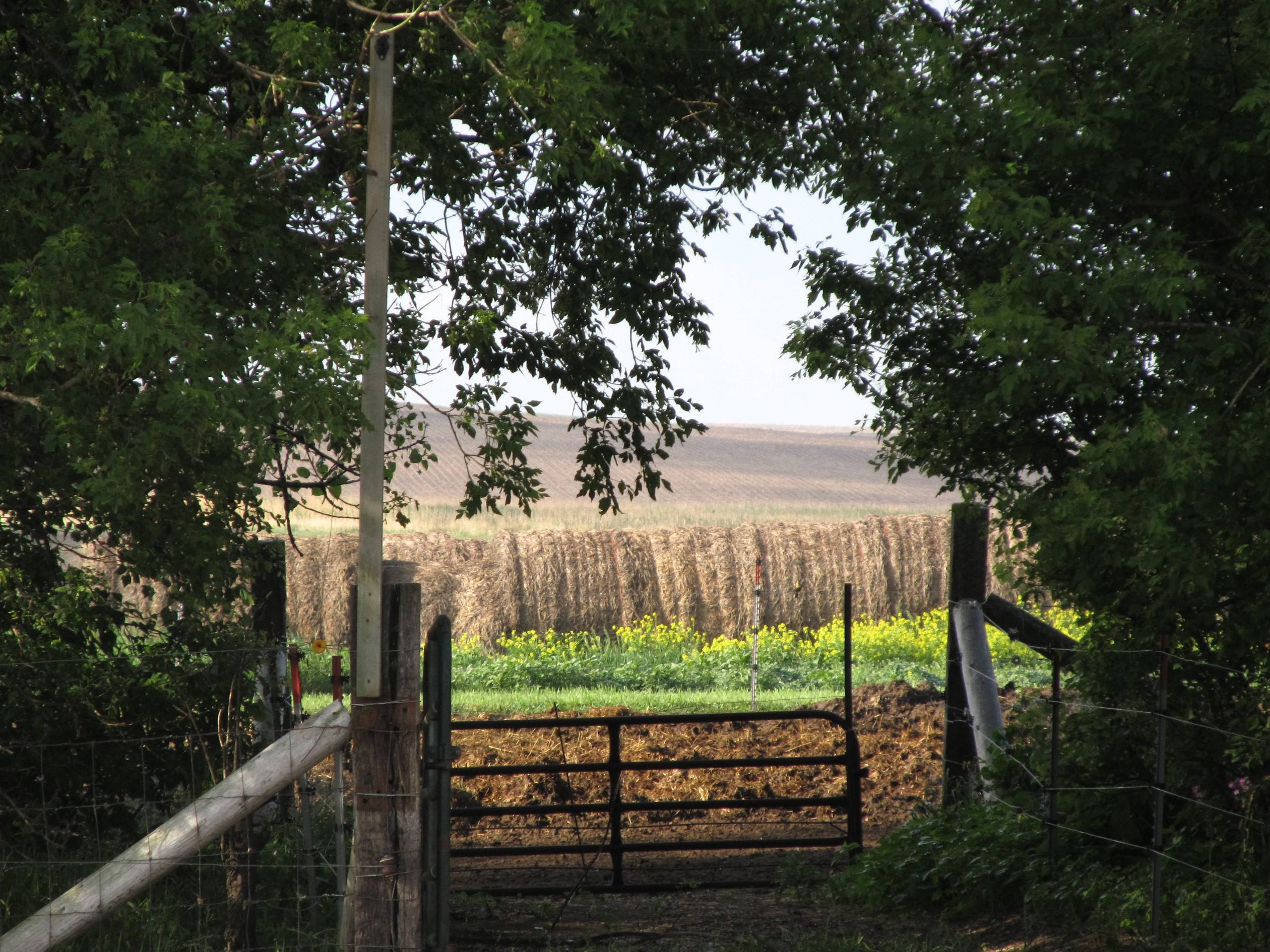
The view from the Johnson Farms farmyard. Photo by Becky Froehlich

New herbicide-resistant crops may affect neighbors

Advocates of the new technology say the new crops provide a vital weapon in the war against weed resistance to glyphosate, which is becoming a stubborn and costly problem for farmers across the country.

Unfortunately, stubborn weeds aren’t the only thing that 2,4-D kills, and gardeners, vineyard owners and even other farmers of commodities who don’t switch to the new technology could be affected if the 2,4-D drifts onto their fields.

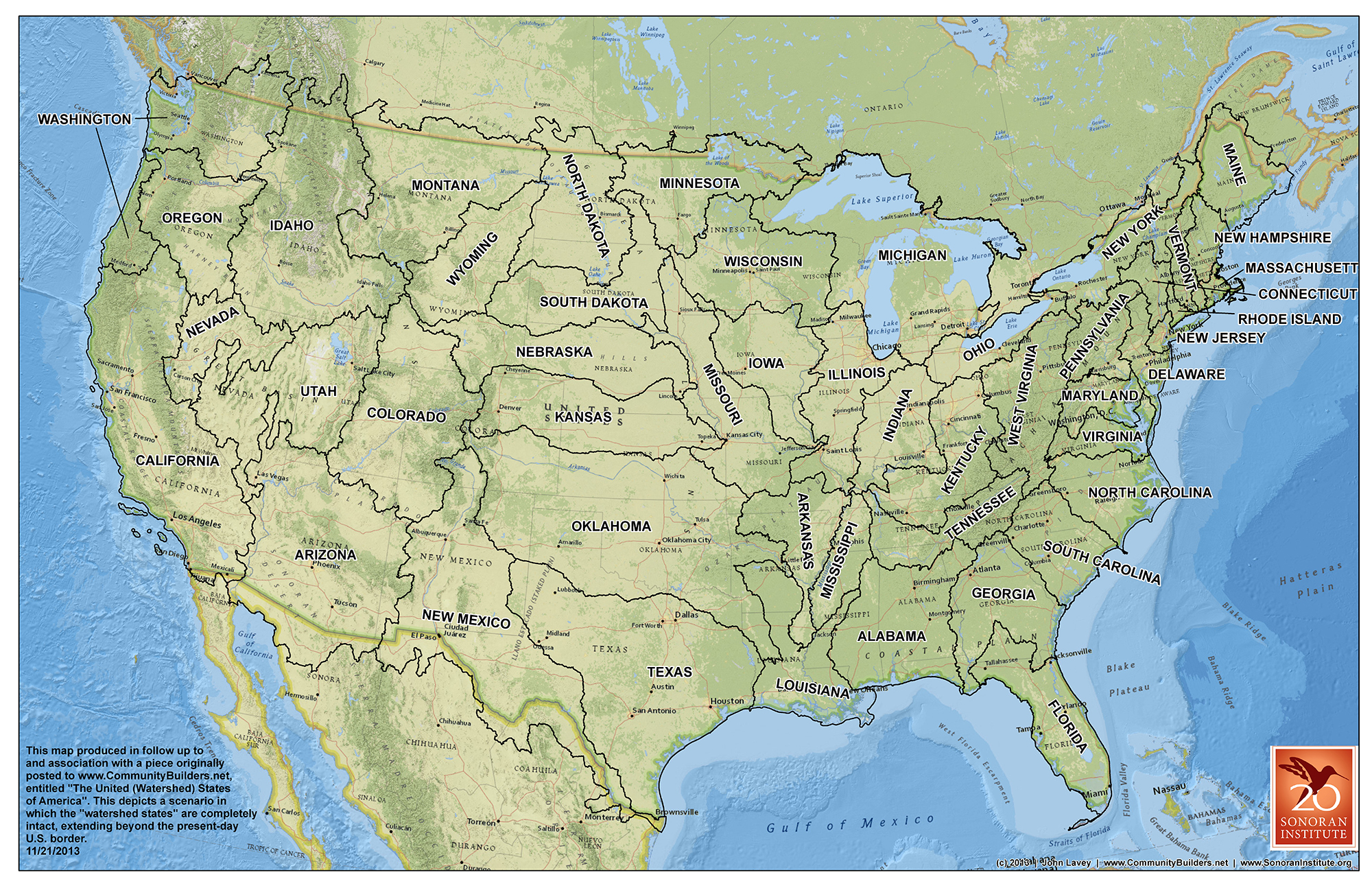
The 19th-century explorer John Wesley Powell predicted that the lack of water would cause problems in the western United States, and he recommended that state lines be drawn according to watersheds instead of according to other political boundaries. He believed this would encourage residents to conserve water instead of fighting over it. He drew a map of the West that suggested what those states could look like. John Lavey of the Sonoran Institute has drawn a national map that follows on the states-by-watershed idea. Click to see a larger version, or go to http://www.flickr.com/photos/108072018@N03/10929250216/.

Water flows across political boundaries, brings conflict with it

The 19th-century explorer John Wesley Powell envisioned developing the political boundaries of the arid American West based on watersheds. More than 120 years ago, he predicted the potential for fights over water. Powell’s watershed boundary vision did not come to pass, but the conflicts he envisioned did—including here in the Dakotas.